
Highlights of London
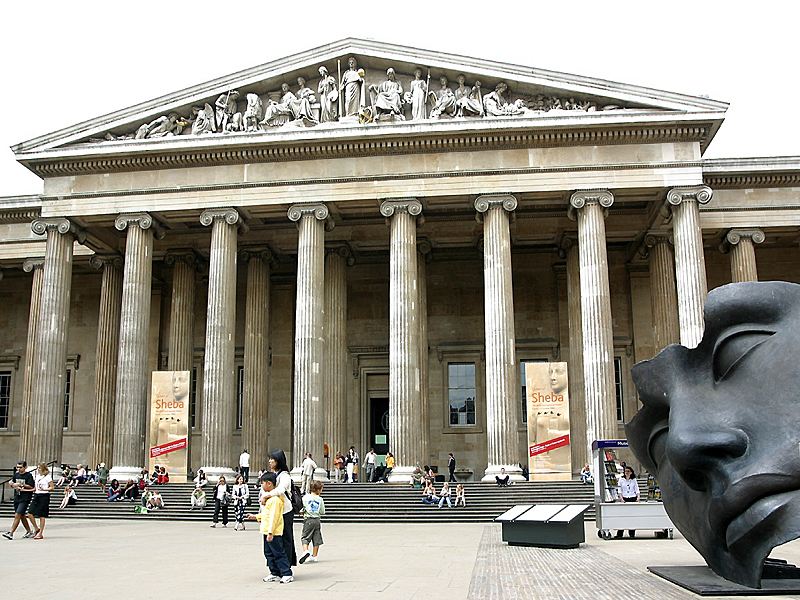
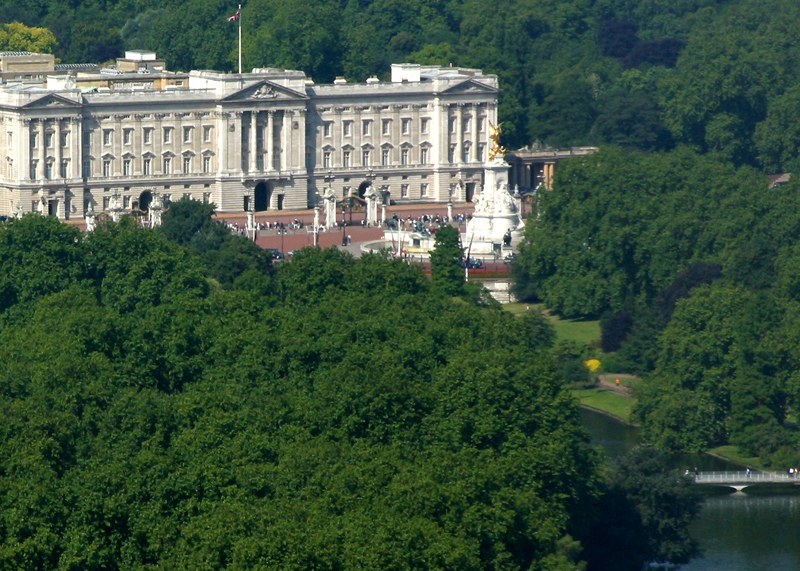
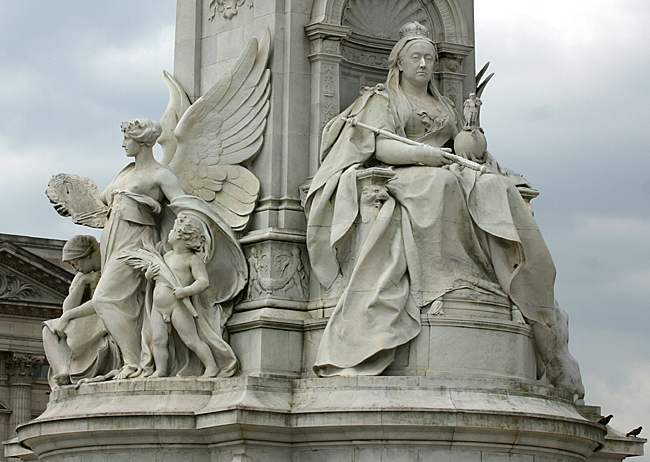
Queen Victoria is a former inhabitant of the palace, and you can still find her sitting in front of her old abode. Her long reign saw the United Kingdom reach the peak of its power, allowing its inhabitants to boast that "the sun never sets on the British Empire". Ironically, things might have been different if Victoria's German consort, prince Albert had his way. Albert was politically very liberal and he sided with liberal politicians who abhorred the idea of empire building. But Albert died young, and Victoria spent the next 40 years of her reign preserving his memory by keeping his clothing and other personal belongings handy in case he returned, building monuments to him like the Royal Albert concert hall and the tacky gold plated Albert Memorial, and encouraging the militarists and adventurers who delighted in the idea of empire building. The outcome of all this was that English became the dominant language on the planet, and London became the wealthy and powerful center of a vast empire. The Victorian era also became synonymous with prudery and about the only saying of hers that anyone remembers nowadays is "we are not amused", though the exact circumstances of its utterance are now a matter of debate. It's not apparent whether she would have approved of the rampant display of nudity going on just behind her, but since they're clearly angels then it must be OK. No doubt that charming little cherub isn't leering nastily, but is instead just concerned that the rather distracted angel might catch a chill. |
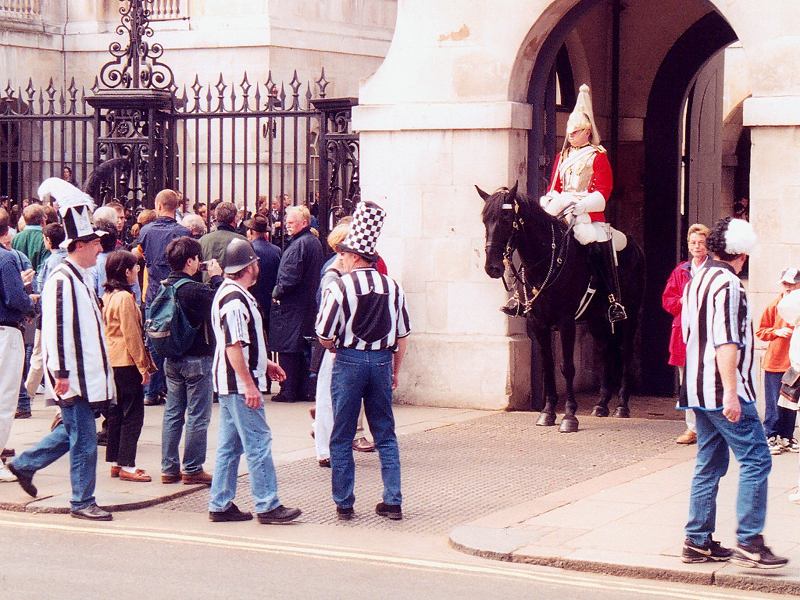
The English have always been very class conscious, which is one reason why my parents emigrated to New Zealand. While the royals and the upper class were doing their thing, the lower classes developed their own culture with its peculiar traditions and pageantry. The woman standing next to the guardsman looks every bit the expression of a third element of society, the middle class, looking up to the royals and down on the working classes. It's been said that the queen and her generation of the royal family are more middle class than the middle classes, not because they look up at themselves but because they are the greatest adherents to middle class moral and social values, whereas the upper classes and the lower classes both do what they feel like rather than what conventional morality says they should. The shenanighans of Prince Charles, Lady Di, Fergie and their offspring are one more sign of the breakdown of this class system. |
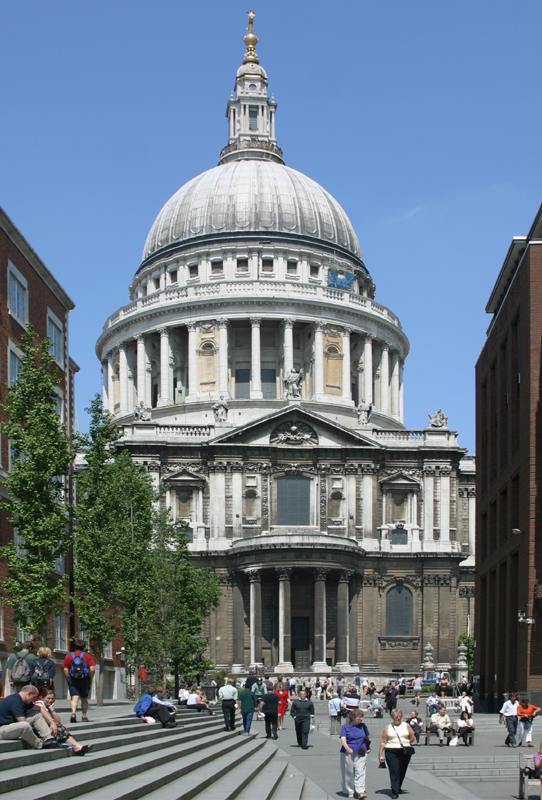
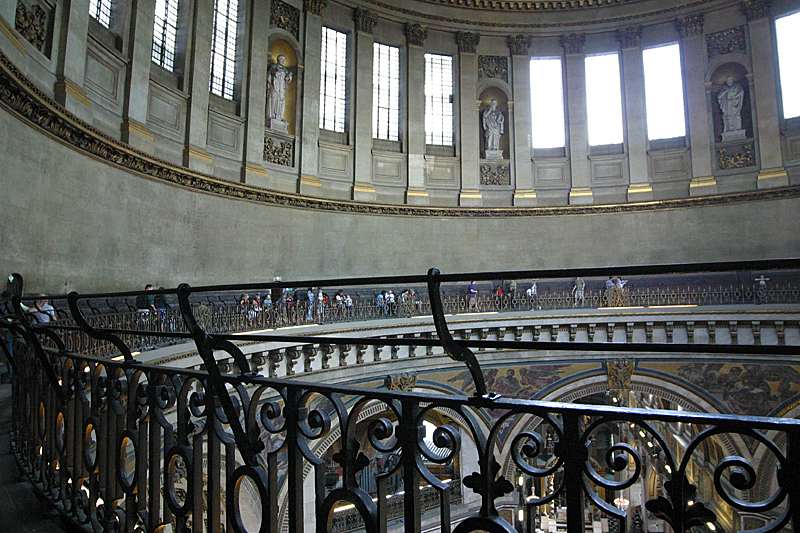
Further east, and just a short walk away from the river is St Paul's cathedral, the masterpiece of Sir Christopher Wren. The Great Fire of London in the middle of the 17th century was a golden opportunity for Wren, and he used it to design a multitude of interesting churches. It's rather amazing that St Paul's is still standing, since the area all around it was largely flattened by German bombers during world war two. Much of the glass in the windows was blown out, but the structure survived virtually intact. There's a statue, scarcely visible beyond the most distant tree on the left-hand side of this photo, commemorating the work done by London firefighters during the Blitz. Apart from St Paul's and Westminster Abbey, the other must-see church in London is a bit west of here and a bit nearer the river, the Temple Church, so-called because it is in an area called The Temple which has traditionally been associated with lawyers and barristers. The Temple Church is much older than St Paul's, it was constructed by the Knights Templar during the 12th century and is the only round church in London - one of only five round churches in the whole of the UK (another is the Round Church in Cambridge). |
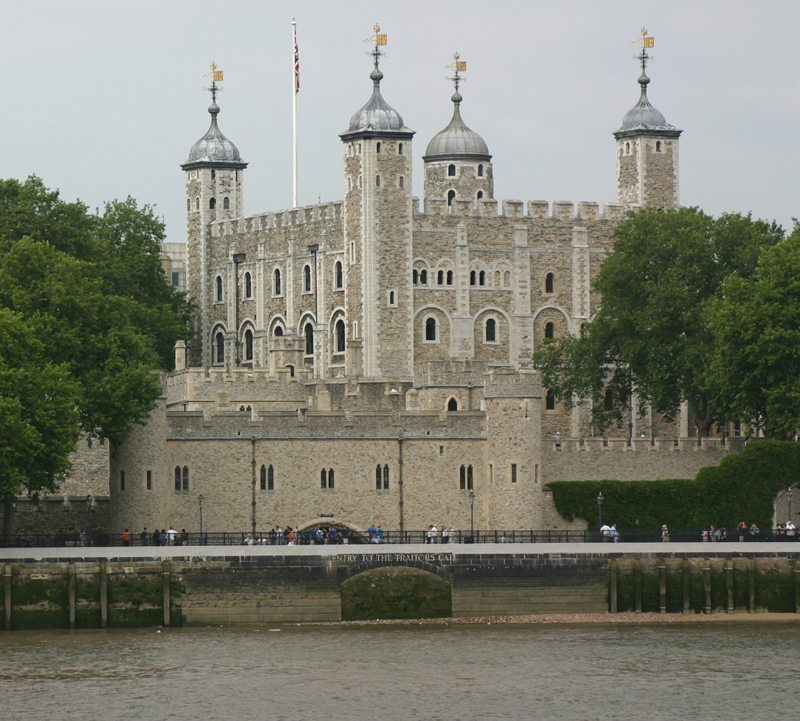
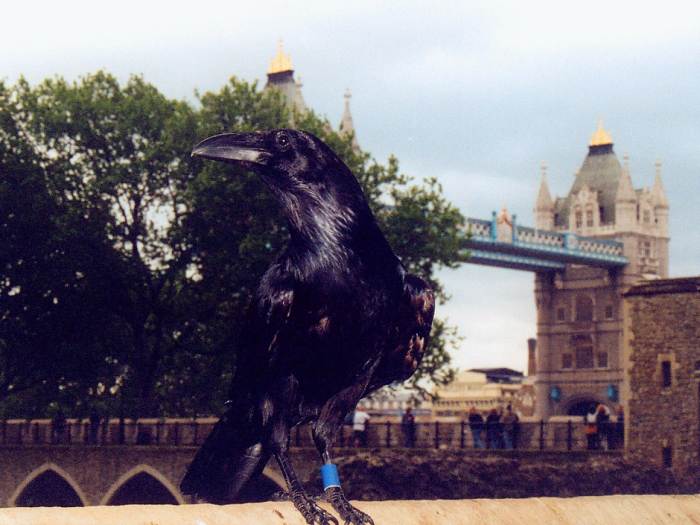
The Tower of London has a number of permanent inhabitants. There are assorted ghosts of royal and noble lineage, including Anne Boleyn and the two young sons of King Edward IV who many believe were murdered by their uncle, who thus became King Richard III. Then there are the 36 Beefeaters or Yeoman warders, best known for their red and gold outfits, whose job it is to guard prisoners and the crown jewels. Finally there is a small flock of ravens, one of which you see here. It's said that as long as the ravens remain here, England is safe from invasion. |
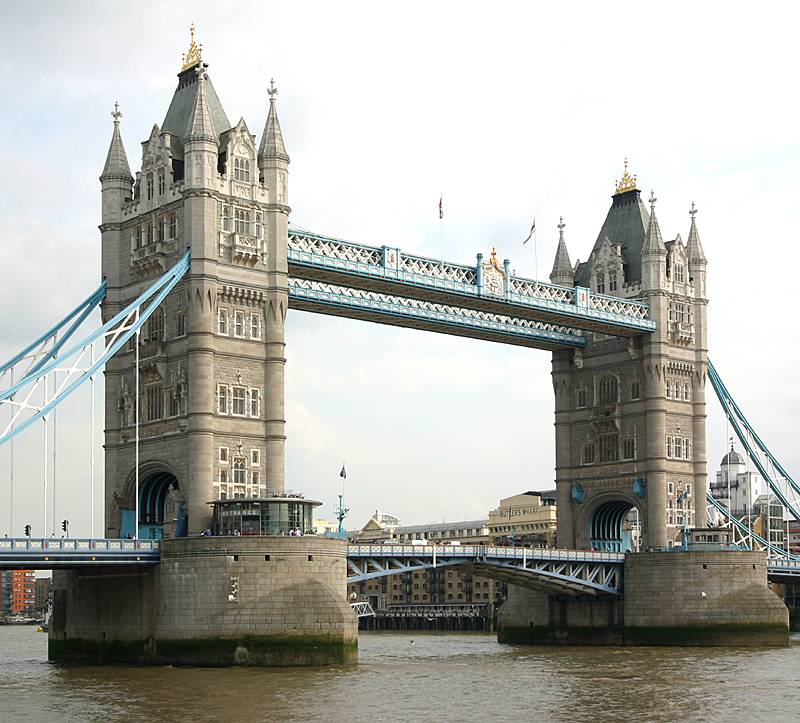
As you can see from the previous photo, Tower Bridge crosses the Thames right next to the Tower of London. Although it looks ancient and is often misidentified as London Bridge, it was actually built in 1894 of steel and was merely faced with stonework. The June 1894 issue of The Builder called Tower Bridge "the most monstrous and preposterous architectural sham we have ever known" and said they would just be wasting photographic plates if they published photos of it. You can tour the workings of the bridge to view the equipment which raise and lower the bridge deck and to go across the walkways between the towers, which provide an excellent view along the river. |
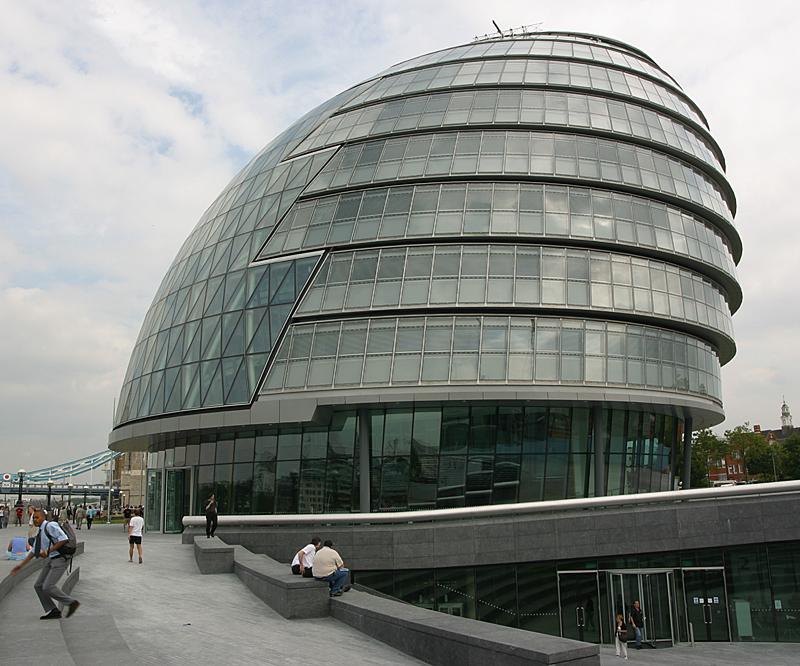
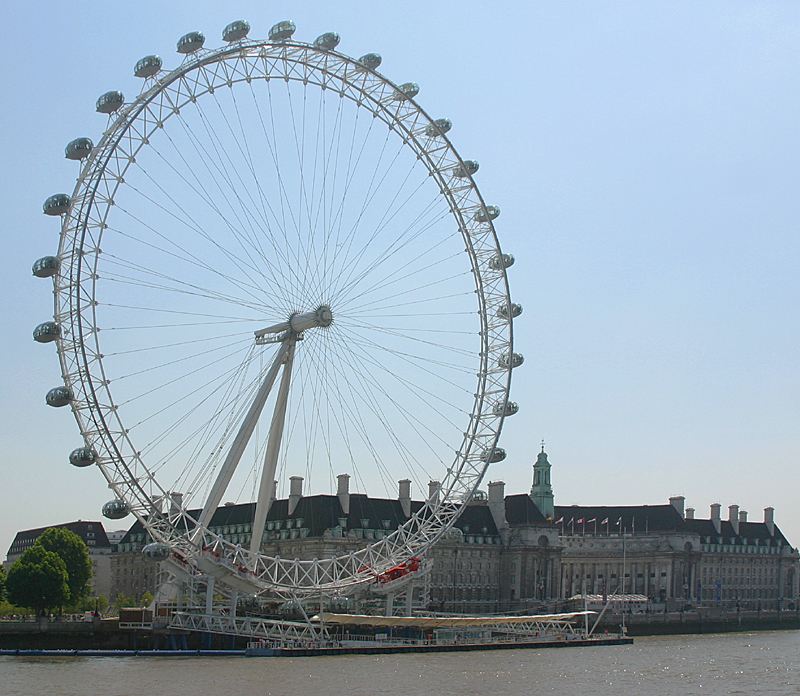
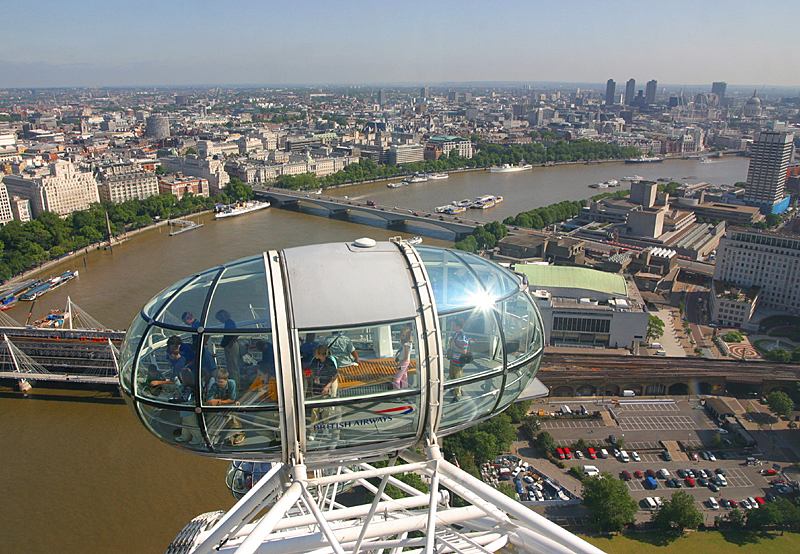
The London Eye is a must-do on any visit, with great views over the central area of the city. A single rotation takes about 30 minutes, slow enough that the wheel doesn't even need to stop as one set of passengers departs a capsule and the next set enters. In this photo you can see Cleopatra's Needle on the riverbank on the left-hand side and the dome of St Paul's cathedral on the right-hand side. As you can clearly see from the previous photo and others on this page, the myth that the United Kingdom suffers from poor weather is a complete concoction, designed to keep uncivilized colonials from flooding in and spoiling the place. If you do decide to flood in, you can find a lot of excellent hotels in the Greater London area at Trivago. Unfortunately, as you probably realize, the weather can be hit or miss. The photos on this page were all taken in July, the middle of summer, when rain occurs on only about 2 out of 10 days, but I've also visited in April, the middle of spring, when the weather was good. All of the concrete and asphalt in the central city result in a temperature about 5 degrees celcius above the area outside the metropolitan area, so it can get surprisingly hot. There are many guidebooks devoted solely to the attractions of London, I found the Lonely Planet Guidebook very thorough and useful. |