A Timeline of Egyptian History
EARLY DYNASTIC PERIOD |
||
|
1st Dynasty (3100 - 2890 BC)
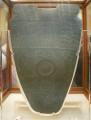
Narmer, also known as Menes, becomes the first ruler to unite upper and lower Egypt, as commemorated by the Narmer Palette. |
|
| 2nd Dynasty (2890 - 2686 BC) | ||
OLD KINGDOM |
||
| 3rd Dynasty (2686 - 2613 BC) | ||
| 2667-2648 BC
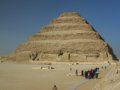
Imhotep, the prolific and innovative architect of pharoah Zoser (Djoser) builds the revolutionary step pyramid at Saqqara, just north of Dahshur. |
|
|
| 4th Dynasty (2686 - 2181 BC) | ||
|
2613-2589 BC
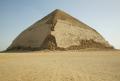
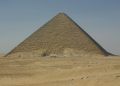
Sneferu (or Snofru), son of Huni, builds a step pyramid at Meidum, followed by the Bent Pyramid and the Red Pyramid, both at Dahshur. |
|
|
2589 - 2566 BC
Sneferu's son Cheops builds the Great Pyramid at Giza. |
||
FIRST INTERMEDIATE PERIODThe kingdom disintegrates, Upper Egypt and Lower Egypt become separate kingdoms. |
||
MIDDLE KINGDOM |
||
| 11th Dynasty (2055 - 1985 BC) | ||
|
2055 - 1985 BC
Montuhotep II reunites Upper and Lower Egypt. |
||
| 12th Dynasty (1985 - 1795 BC) | ||
|
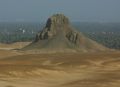
1855-1808 BC
Amenemhat III builds the Black Pyramid at Dahshur. |
|
|
SECOND INTERMEDIATE PERIODEgypt disintegrates again into separate kingdoms. |
||
NEW KINGDOM |
||
| 18th Dynasty (1550 - 1295 BC) | ||
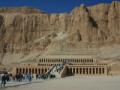
| 1279 - 1213 BC
Hatshepsut becomes the most successful female pharoah, even if she has to wear a false beard to do it. |
|
|
|
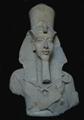
1352 - 1336 BC
Amenhotep IV changes his name to Akhenaten and overturns polytheistic worship in favor of monotheistic worship of the Aten or Sun Disk. He moves the capital from Thebes to Akhetaten (modern day Tell al-Amarna) and lives there with his children and wife Nefertiti. |
|
|
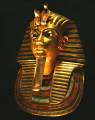
1336 - 1327 BC
Akhenaten's son Tutankhaten changes his name to Tutankhamun, returns the capital to Thebes and restores polytheistic worship. |
|
|
| 19th Dynasty (1295 - 1186 BC) | ||
|
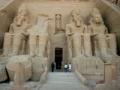
1279 - 1213 BC
Ramses II interrupts his long reign of stamping on his enemies just long enough to build the Ramesseum and the temple at Abu Simbel. |
|
THIRD INTERMEDIATE PERIODEgypt disintegrates again into separate kingdoms. |
||
|
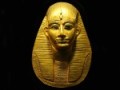
1001 - 992 BC
The minor Pharoah Amenemope, the son of Pharoah Psusenne I, reigns at Thebes. |
|
|
GRAECO-ROMAN PERIOD |
||
|
332 - 323 BC
Alexander the Great defeats the Persians and brings Egypt into his empire. |
||
|
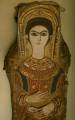
323 - 30 BC
Alexander's general Ptolemy founds the dynasty of greek Ptolemaic rulers who adopt Egyptian religion, architecture and clothing. They turn their new capital Alexandria into the greatest city in the world and maintain independence until their last ruler, Cleopatra VII, marries the roman ruler Julius Caesar and, on his death, Mark Antony. |
|
|
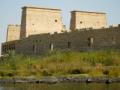
30 BC - 640 AD
Rome rules Egypt and continues the tradition of adopting Egyptian religion and other traditions. In 323 AD Christianity becomes the empire's official religion, and in 394 AD the last hieroglyphs are carved at the temple of Philae, bringing ancient Egyptian culture to an end as a living force. |
|
|
MUSLIM PERIOD |
||
|
642 - 1250 AD
In 642 AD Islamic arabs invade Egypt and found Fustat, which later becomes Cairo. |
||
|
1250 - 1517 AD
Turkish mercenary soldiers called Mamluks, hired by Salah ad-Din (known to the crusaders as Saladin), take control from Salah ad-Din's successors and rule brutally. |
||
| 1517 - 1796 AD
The Ottoman Turks add Egypt to their empire. |
||
|
1797 - 1801 AD
Napoleon Bonaparte defeats the remaining Mamluks and brings large numbers of scholars and artists to study Egypt's history, flora and fauna, beginning the European fascination with Egypt. |
||
|
1801 - 1882 AD
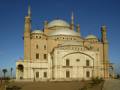
Britain allies itself with Turkey and drives the French out in 1801. Mohammed Ali, an Albanian lieutenant with the Turkish army, gains control in 1806, slaughters 500 Mamluk leaders in 1811 and modernises Egypt. His heirs build the Suez canal, which opens in 1869. |
|
|
1882 - 1952 AD
The British occupy Egypt in order to gain control of the canal, while leaving the heirs of Mohammed Ali in nominal control of the country. |
||
|
1952 -
The Egyptians revolt against the British and force them out. Colonel Nasser becomes president, nationalizes land and property throughout Egypt and attempts to unite the Arab world. |
|
